Rail
New Product Introduction and Production Setup
New Product Introduction and Production Setup
Develop Consulting supported a rail electrical systems facility to set up a new manufacturing cell for the assembly of locomotive control units for a Hong Kong railway project.
The client is a global provider of equipment, systems and digital solutions in freight rail, transit and mining. Based near Burton-on-Trent, their electrical overhaul facility is a forerunner in overhaul and repair of rail control systems in the UK, servicing clients from the UK, Ireland, Europe and Hong Kong with an annual turnover of circa £15m.
Results
- 38% reduction in resource requirements through generation of sub-assembly build structures, saving £187,000 in year one
- Delivery of five prototypes on time in full
- £100,000 material cost reduction through detailed risk assessment of the bill of materials, enabling materials to be ordered for entire build rather than in batches
- Successful recruitment and engagement of specialist temporary resource to deliver the project
- Detailed work instructions created for all products that can be used for auditing and training
About the Programme
In the mid-1990s, a company since acquired by the client manufactured 27 all-electric shunter locomotives for the Hong Kong construction department. Through an obsolescence programme, these locomotives required an overhaul to the electrical control systems. To facilitate this programme of works, a one-off prototype would need to be manufactured and rigorously tested before an agreed quantity of float stock would be produced to support the ongoing overhaul programme.
The business recognised a significant capability gap. Their background lay predominantly in the overhaul sector, and the original manufacturing resource had moved on. They had the engineering knowledge to specify what needed to be built, but lacked the production engineering and manufacturing setup expertise to establish an efficient build process for 28 sets of locomotive control units.
Objectives
The project required establishing a completely new manufacturing cell capable of producing complex electrical control units to exacting specifications. The business needed to understand build sequences, calculate accurate cycle times and resource requirements, recruit temporary specialist skills not available in the existing workforce, and create detailed work instructions that would ensure consistency across all units produced.
Actions
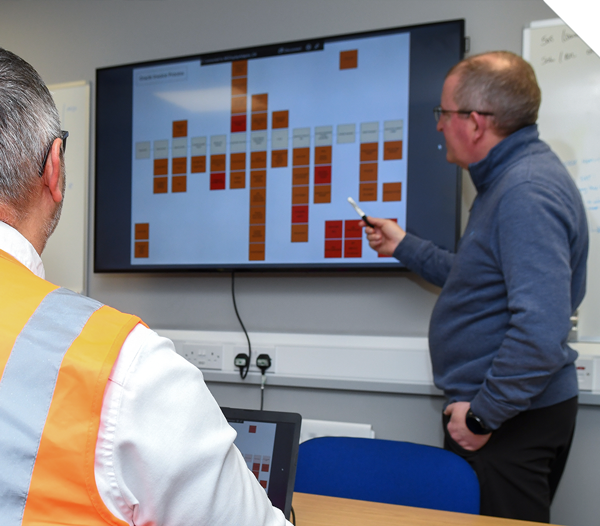
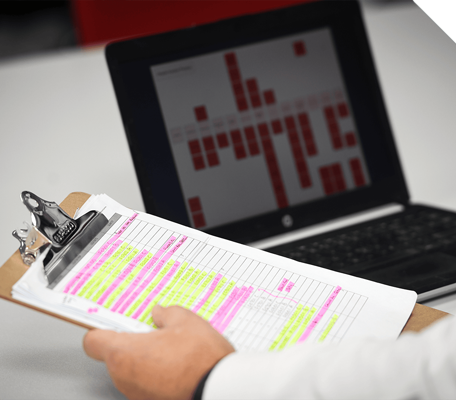
Develop Consulting began by facilitating process mapping sessions to understand the build sequence and technical requirements. From these sessions, work breakdown structures (WBS) were generated along with draft work instructions. Using the WBS, the team calculated cycle times more accurately and determined resource requirements based on the available time to complete the project.
The team supported recruitment of a temporary team of operators with the required skills that were not currently within the existing business resource. This allowed the business to access specialist capabilities for the duration of the project without permanent headcount increases.
Working closely with the engineering team, Develop Consulting converted the engineering bill of materials (EBOM) into a production bill of materials (PBOM). This enabled the development of sub-assembly build processes, allowing the team to be broken down into focused processes more aligned to each operator’s capabilities. This approach delivered the 38% reduction in resource requirements compared to initial estimates.
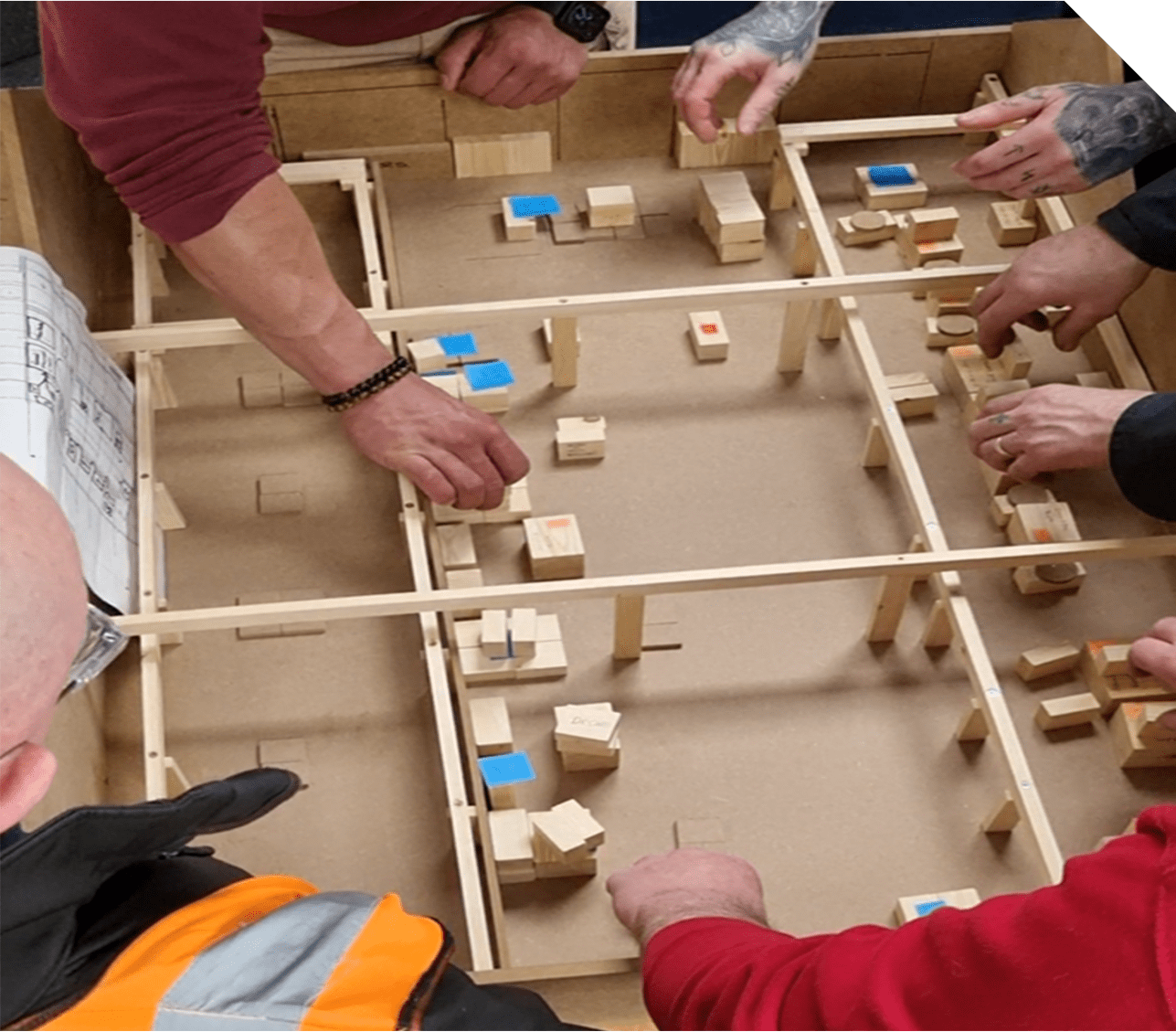
From the work instructions and WBS, a production cell layout was created and equipment requirements were identified and sourced. The layout was designed to minimise material movement and support efficient flow through the various sub-assembly and final assembly stages.
During the prototype stage, work instructions were validated with operators and adjusted where necessary before being uploaded onto the business network. This created a permanent reference for future production, training and quality auditing.
The detailed risk assessment of the bill of materials identified opportunities to consolidate material ordering. Rather than ordering materials in batches as each phase of production approached, the assessment gave sufficient confidence to order materials for the entire build. This eliminated batch-specific procurement costs and secured better pricing through volume ordering, delivering the £100,000 material cost reduction.