Manufacturing
Operations Support and Process Optimisation
Operations Support and Process Optimisation
Develop Consulting supported a UK manufacturer of industrial access solutions to create an exemplar production area, demonstrating how to improve efficiency whilst embedding a culture of continuous improvement.
The client is a leading UK manufacturer and supplier of safe, compliant and sustainable access solutions in steel and GRP (glass-reinforced plastic). The company manufactures standard and bespoke staircase and platform products across several different production lines, each with varying customer demands and specifications. The manufacturer needed to become more efficient and competitive to win new business and support existing demand within the stockholder sector.
About the Programme
The manufacturer operated several production lines for staircases and platforms, each serving different customer requirements. The pilot production area averaged 340 units per day, but there was no systematic approach to identifying and eliminating waste in the processes. The business recognised the need to demonstrate what good looked like before rolling improvements across other areas.
Production control and transparency were limited, making it difficult for team leaders and managers to understand true performance or identify problems quickly. The raw materials flow, internal sub-manufacture of parts, machine capability and final assembly welding processes had evolved over time without systematic review, resulting in inefficiencies that had become accepted as normal.
The company wanted to establish an exemplar line that would serve as a template for improvements across the wider facility, whilst building capability within the local teams to sustain and continue improving performance.
Results
-
Output increased from 340 units per day to 580 units per day (71% improvement)
-
Additional revenue increase of £620,000 per annum
-
Annual labour overtime costs reduced by £46,000
-
Destruction testing reduced by 50%, saving £9,000 per annum
-
Internal raw material inventory reduced by £11,000
-
Headcount reduction of one position (£34,000 annual saving)
-
Production layout optimised to accommodate additional auto-welding machine within existing footprint
-
Overall annualised ROI of 11:1
Objectives
The programme aimed to create a visible and physical difference in one production area that would demonstrate the benefits of structured improvement approaches. This required stabilising the basics first, then embedding further improvements, and finally optimising safety, quality, delivery and cost performance. The business wanted to build internal capability and establish a problem-solving culture rather than simply achieving one-off improvements.
Actions
The approach was structured across three phases: stabilise, improve and optimise.
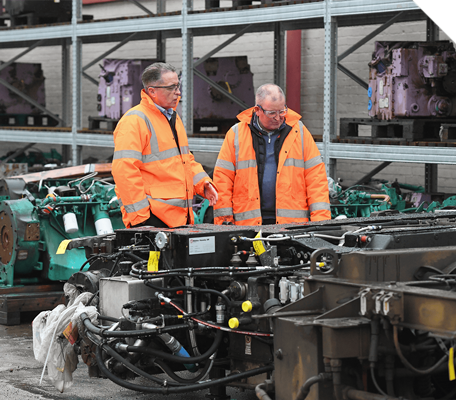
In the stabilise phase, Develop Consulting established a pilot production area, engaging with the local team to introduce tools and methods to improve control, grip and transparency. The value stream was studied, covering raw materials flow, internal sub-manufacture of parts, machine capability and capacities through to final assembly welding. Processes within the production line and supporting areas were reviewed and improved, whilst establishing teams with the right processes, parts and tooling to improve pace, capacity and quality.
A series of 3P (production preparation process) workshops were run with the local production team to determine the most efficient value stream and layout to utilise the area more effectively. These workshops highlighted further potential improvements, which were categorised into quick wins and larger projects.
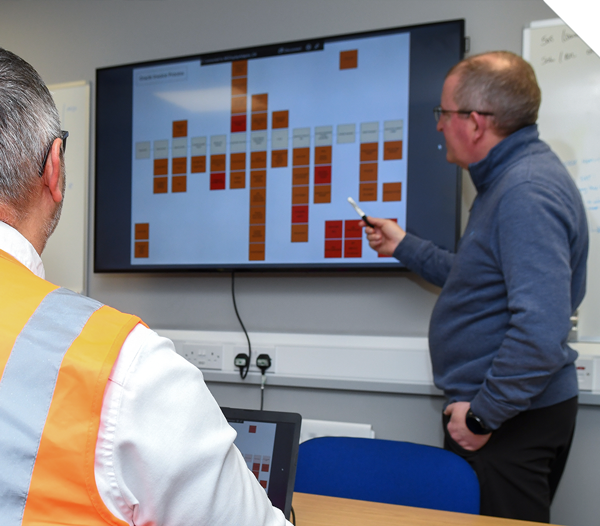
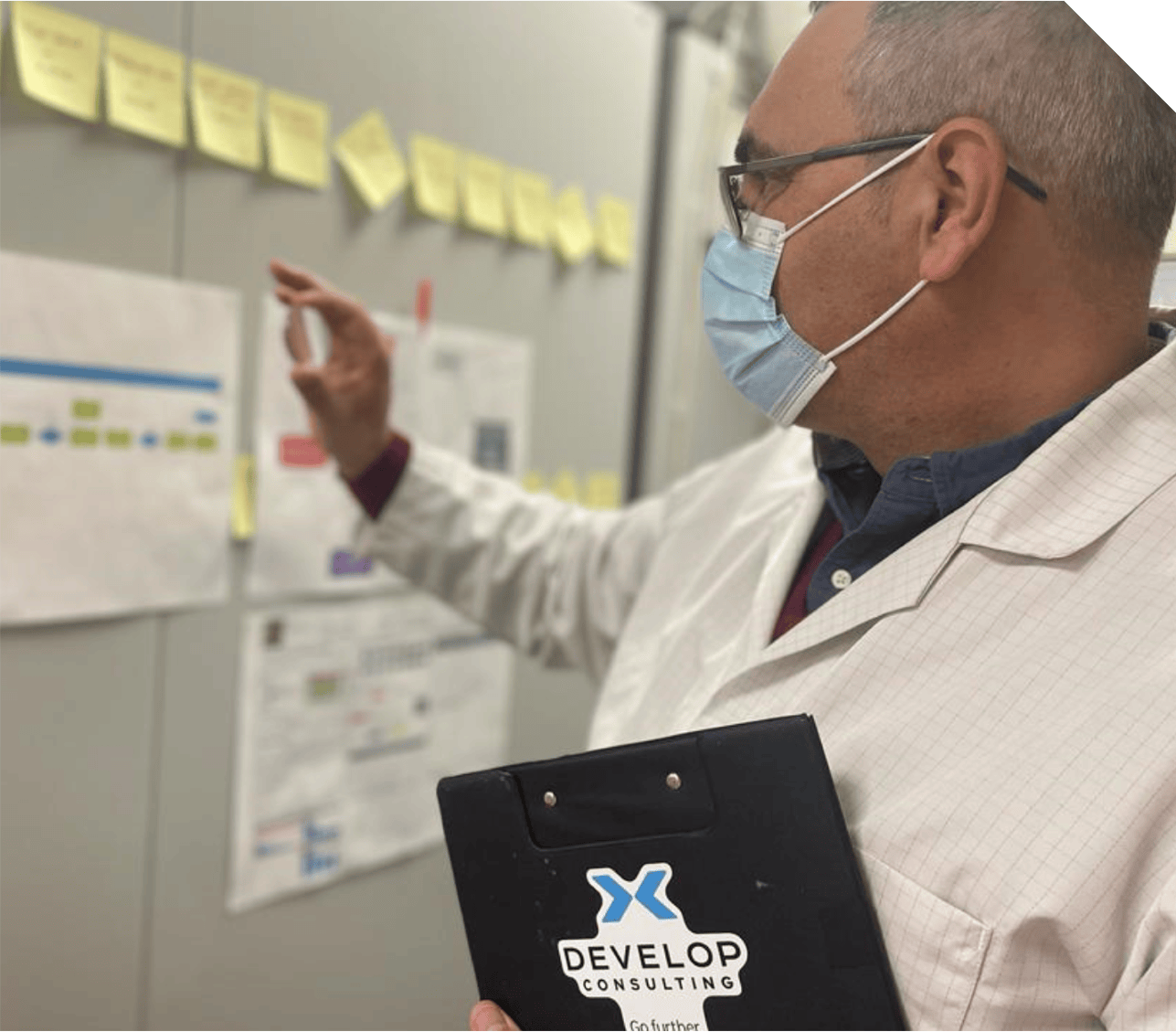
In the improve phase, the pilot area was embedded and enhanced to become the exemplar line with visible physical differences showing what good looks like. Visual management boards were developed and introduced for production and team leaders at process level, monitoring safety, performance, manpower and improvement ideas. This highlighted opportunities to introduce a problem and countermeasure process, which included stakeholder support from other areas including health and safety, maintenance, purchasing, HR and facilities.
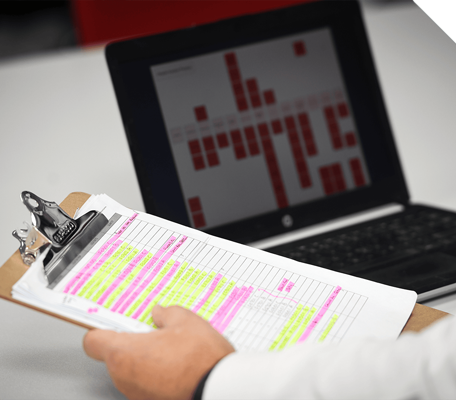
Required roles and responsibilities were developed, and a problem-solving culture was established through the introduction of further improvement methods and tools. Hour-by-hour short interval control measures were introduced to capture immediate losses and enable rapid response.
Throughout the programme, the management team and operations leadership were coached during daily layered accountability meetings, using data to better inform decision making and empowering teams to solve day-to-day problems.
In the optimise phase, once the line was sustaining improvements from phases one and two, further work focused on optimising safety, quality, delivery and cost performance. Data was developed to provide production with the means to forecast demand hours, and the production management team was supported to control and manage stock levels on a daily basis.