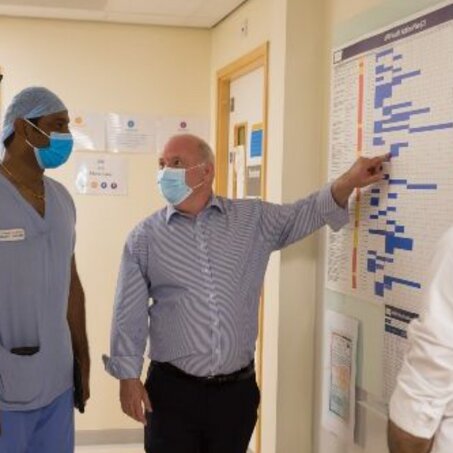
A hospital ward is a process. Patients come in at one end, receive treatment and rehabilitation, and are discharged at the other. And like any process, it can be measured, managed, and improved using the same principles that transformed Toyota into one of the world’s most successful manufacturers.
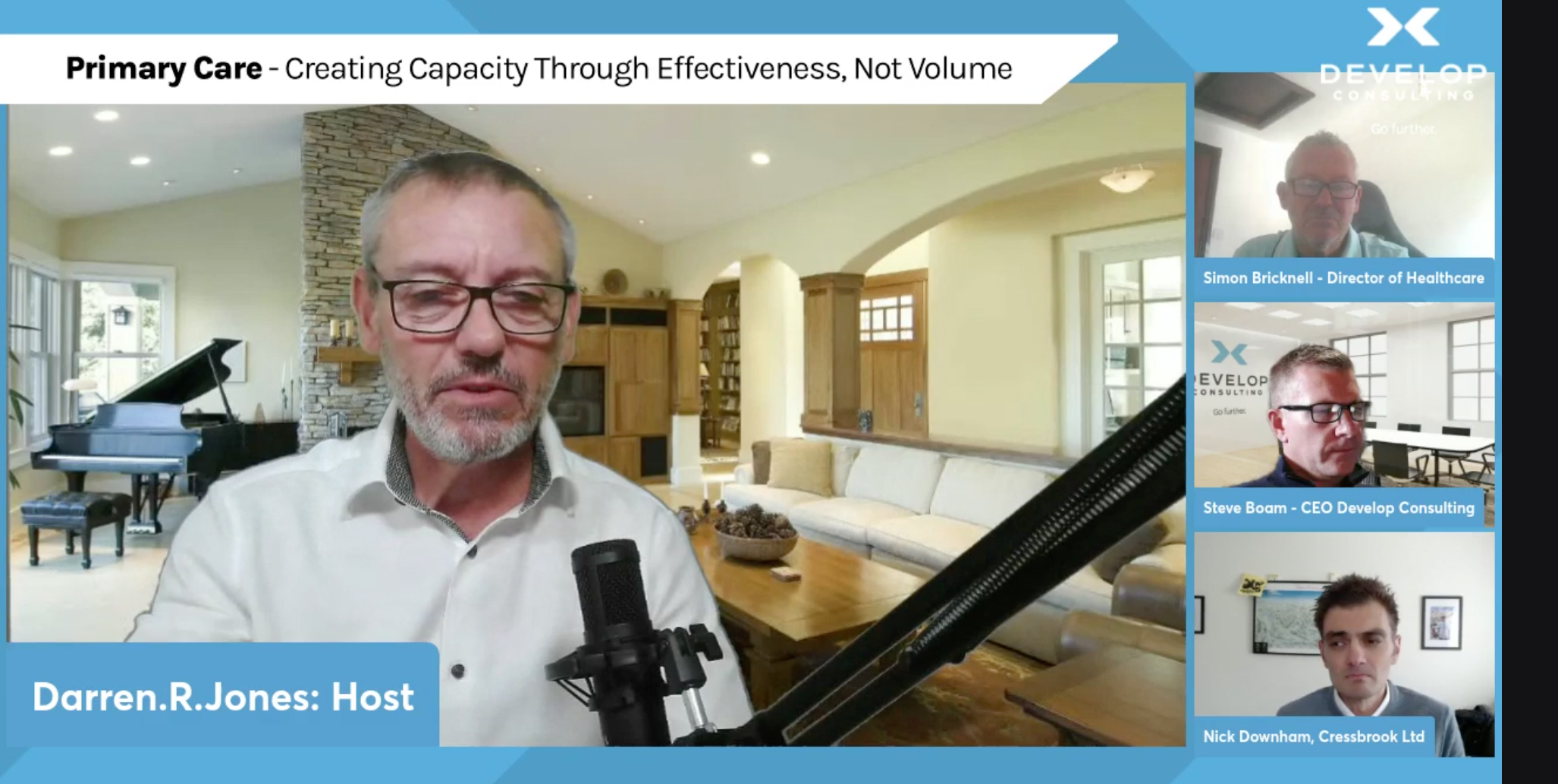
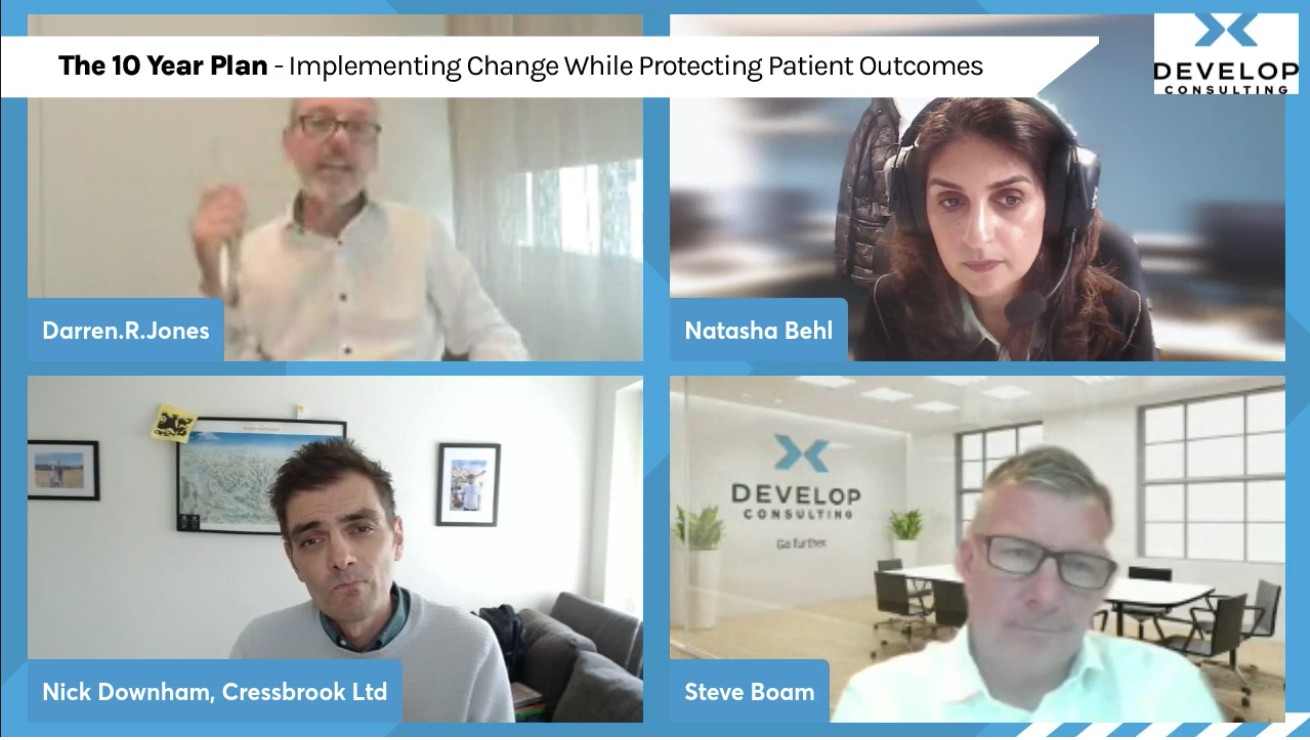
This is the argument explored in the latest episode of The Improving Healthcare Podcast, ‘From Factory Floor to Frontline – What Toyota Can Teach Healthcare’, where host Darren Jones sits down with Steve Boam, CEO of Develop Consulting, and Jeremy Butler, Executive Director for Transformation at Imperial College NHS Trust.
Steve, who spent years working at Toyota in both the UK and Japan, is clear that this isn’t about importing tools and techniques. “Toyota is a philosophy. It’s a methodology. It isn’t a set of tools,” he explained. “The Toyota way is fundamentally about how you manage your people, your processes, really all together to get the best outcomes – repeatable outcomes of safety, quality, delivery and cost.”
Jeremy discovered Lean principles whilst running a struggling manufacturing company. “The principles that were applied then, of understanding where the waste is created in the value chain… is fundamentally applicable to manufacturing or any subway sandwich production or a GP clinic or whatever,” he said.
The conversation explores why continuous improvement often fails in the NHS. Jeremy explained that frontline staff need to believe they can improve their work and must be supported by their managers. “When people have that beat out of them, or they have managers that fail to encourage that or nurture that, that’s criminal, because then you end up with a tool for the shop floor that won’t help change.”
Both guests challenge how the NHS uses metrics. Steve pointed out that “measurement drives behaviour” and “what gets measured gets done.” But the measures need to be meaningful and within people’s control. “If we give people conflicting measures, they either won’t do anything, or they’ll pick the one that’s the most comfortable,” he said.
Jeremy raised the difference between process and outcome. “For some reason, people will feel that they’ve done something value adding when they’ve done a process thing. And my challenge is, what is the result of that? What is the impact of that?”
On what stops the NHS from making real change, Jeremy was direct: “Focus on just a couple of things that you’re seeking to achieve, and relentlessly drive them. There are too many decision makers around. There are too many senior people, bright people, people that care. But there are just too many of them in the mix.”
To listen or watch the full conversation, visit develop-consulting.co.uk/podcasts or on Youtube, find the podcast on Spotify and Apple Podcasts.