The DIP Explained – What it Means for UK Maritime
17 Jul 2026
Mr Albon described the plan as a serious demand signal, committing £298 billion over four years, including £15 billion of additional funding above previous settlements. But he was careful not to overstate the surprise factor, noting that industry had already anticipated much of the detail. “The next question straight away is, how are we going to deliver it,” he said.
On whether the UK has the shipyards and dry docks to deliver against the plan, Mr Albon pushed back on what he called something of a myth. Citing an OECD study, he said the UK is currently using only 41 per cent of its shipbuilding capacity even with programmes including Type 26, Type 31 and the submarine fleet running concurrently. The real constraint, he said, is workforce rather than infrastructure, and that workforce cannot be switched on and off as demand fluctuates, warning against a return to the feast or famine cycles that have previously hollowed out shipyard workforces once a batch of ships was complete.
Among the plan’s specific maritime commitments, Mr Albon highlighted the scale of investment earmarked for the nuclear enterprise as one of the standout figures.
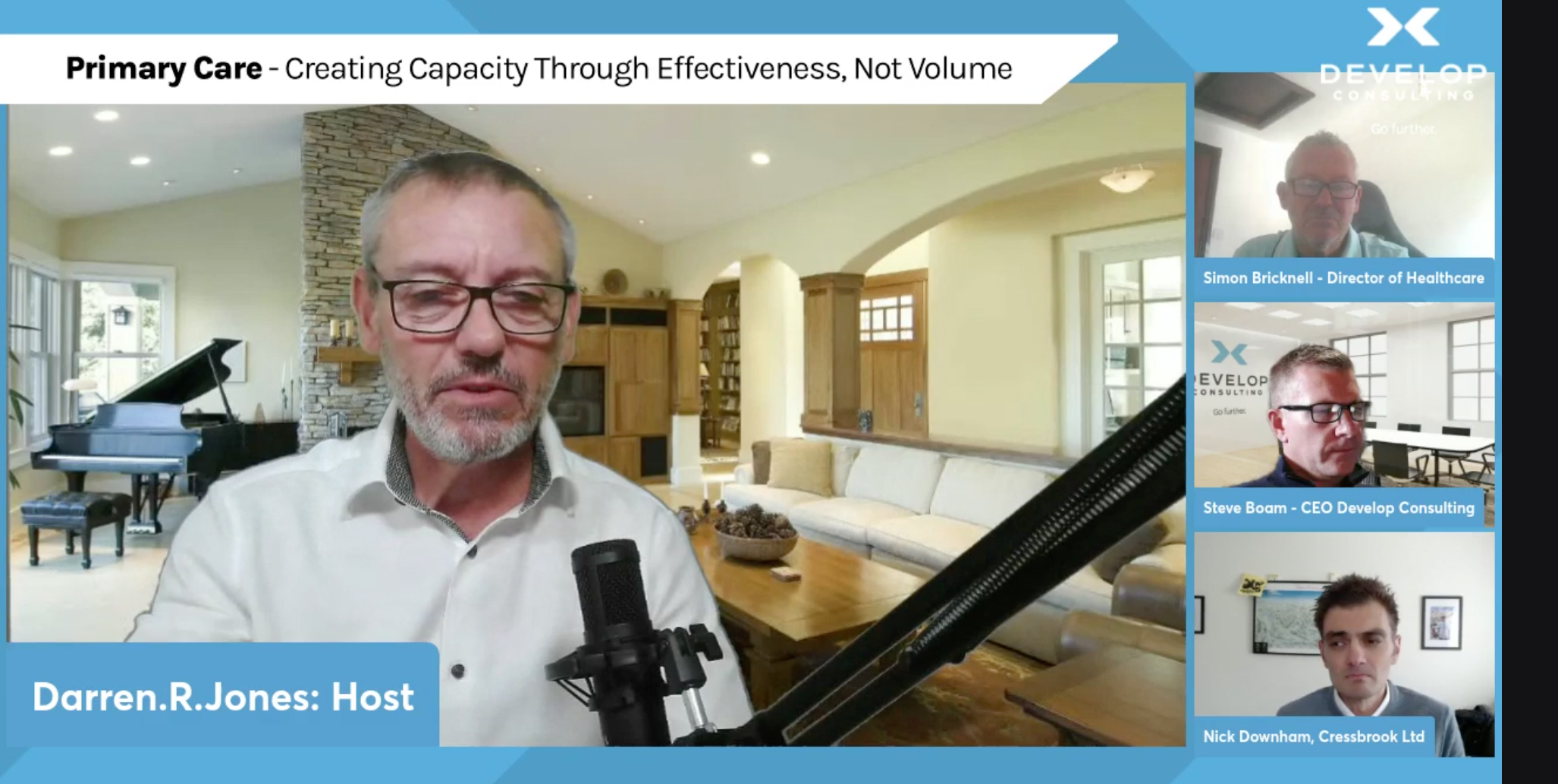
The Maritime Forecast is a podcast from Develop Consulting, produced in partnership with the Society of Maritime Industries, exploring the trends, challenges and opportunities shaping UK maritime.